

Understanding Your Monthly Expenses
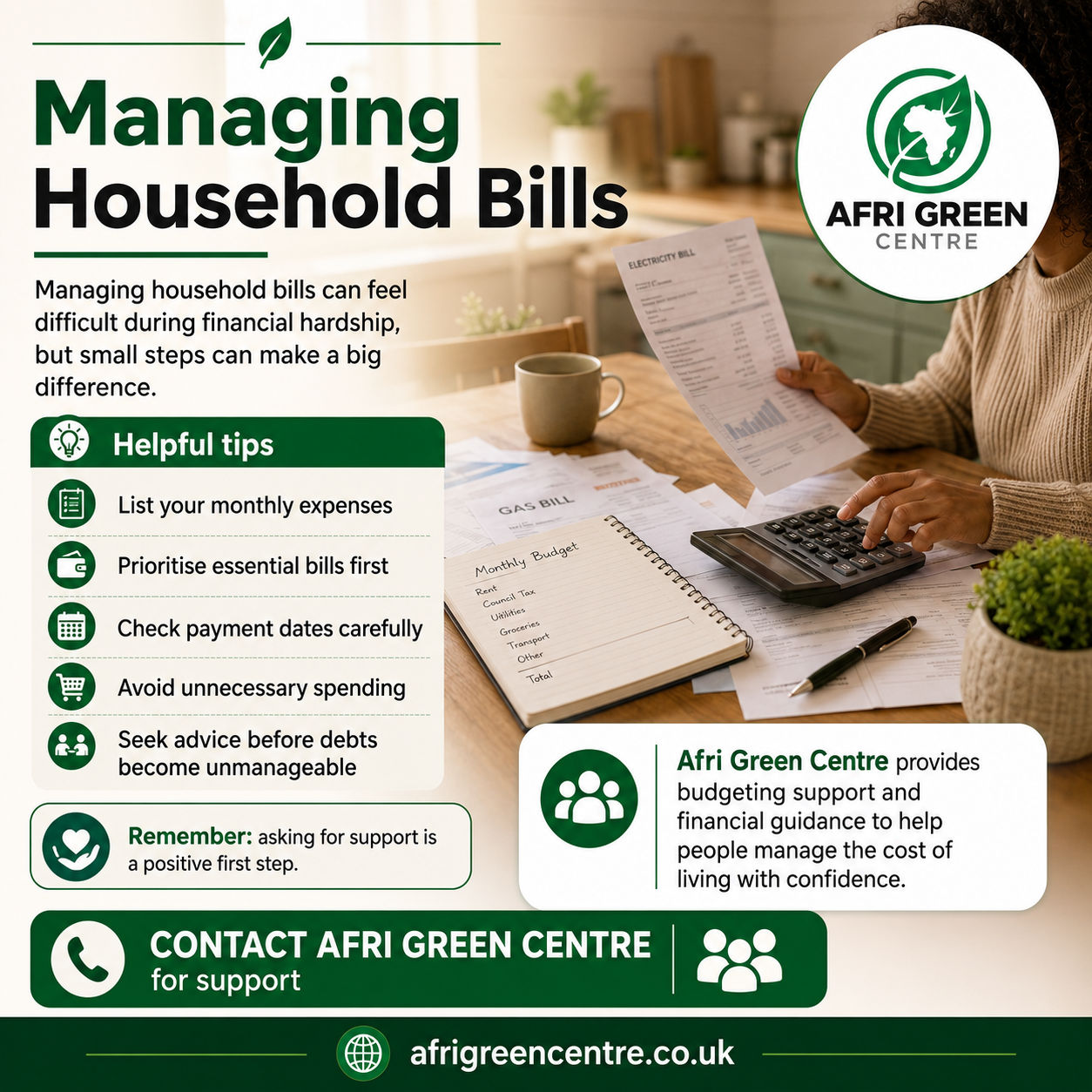
To effectively manage household bills during challenging financial times, it is crucial to have a clear understanding of your monthly expenses. Keeping track of your expenses allows you to identify patterns in your spending and gain better financial guidance. The first step towards achieving this is to compile a comprehensive list of all household bills.
Begin by enumerating your fixed expenses, which typically include rent or mortgage payments, utility bills, and insurance premiums. These are the foundational costs necessary for maintaining your living space, and they often remain consistent from month to month. Further, subscription services such as streaming platforms, gym memberships, and online storage should also be included, as they can impact your cost of living significantly.
Once you have compiled your list, it is essential to categorize your expenses into essential and non-essential categories. Essential bills are those that must be paid to sustain your lifestyle, including housing, food, transportation, and health care. Non-essential items, on the other hand, encompass discretionary spending such as dining out or entertainment. This categorization assists with budgeting support, providing you a clearer picture of where your money is going each month.
Tracking your monthly expenses effectively can lead to more informed financial decisions. It helps highlight areas where you may be overspending, allowing you to adapt your budget accordingly. By monitoring your costs closely, you create an opportunity to make necessary adjustments, thereby ensuring that your financial obligations are met without compromising essential needs.
Prioritizing Essential Bills for Financial Stability
In times of financial uncertainty, effectively managing household bills becomes essential for maintaining stability. The ability to prioritize which expenses are critical is fundamental in ensuring that necessary payments are made first. Creating a hierarchy of bills allows individuals and families to focus on essential costs, thereby avoiding potential pitfalls associated with unpaid debts.
When determining which expenses to prioritize, it is important to distinguish between needs and wants. Essential bills typically include housing costs such as rent or mortgage payments, utility services, and necessary food expenses. These are expenses that directly impact one’s quality of life and basic functioning. Conversely, discretionary spending encompasses services and products that are not critical for survival, such as entertainment subscriptions, dining out, and luxury items.
To aid in prioritizing, consider the following strategies for managing cash flow effectively. First, list all household bills along with their due dates and amounts. This visual representation of your financial obligations can greatly assist in making informed decisions regarding which bills to address immediately. Often, consulting financial guidance resources can help you understand the implications of delayed payments, further shaping your prioritization efforts.
Next, allocate your available funds based on the essential bills identified in your list. Whenever possible, ensure that you cover these necessary costs before considering any discretionary expenditures. Additionally, setting aside a buffer amount can provide financial breathing room in future cases of unexpected expenses. For budgeting support, consider utilizing apps or spreadsheets that allow tracking of income versus expenses in real-time.
In conclusion, prioritizing essential bills over discretionary spending is vital during difficult financial times. By focusing on needs first and utilizing effective budgeting strategies, individuals can navigate their financial obligations more successfully, leading to improved financial stability in the long run.
Keeping Track of Payment Dates
Managing household bills effectively is essential, particularly during challenging financial times when every cent counts. One crucial aspect of maintaining financial stability is keeping track of payment dates to avoid late fees and penalties that can significantly affect your overall budgeting. Late payments not only incur extra charges but can also negatively impact your credit score. Therefore, establishing a robust system to monitor these dates can provide important budgeting support and financial guidance.
A practical approach to tracking payment dates is to set reminders. Almost every smartphone has an in-built calendar feature or reminder app that can alert you ahead of time, ensuring no bill is overlooked. Setting reminders a few days in advance can provide sufficient time to address any potential issues, such as insufficient funds in your account.
Moreover, using budgeting apps can streamline this process. Many modern financial applications offer payment tracking functionalities that can notify you about upcoming household bills. These apps often categorize expenses and can give insights into your cost of living trends, facilitating better planning and foresight in your budgeting process.
An alternative method is to create a payment calendar, either digitally or on paper. Outline all the household bills and their respective due dates, and mark them clearly. This visual representation allows you to see at a glance your monthly obligations, aiding in maintaining financial discipline. Additionally, it helps in planning your expenditures around these due dates, which can enhance your overall cash flow management.
Incorporating these strategies into your routine not only helps in avoiding late fees but also fosters an organized financial mindset. By diligently tracking your payment dates, you contribute positively to your financial health, ensuring responsible management of your household bills.
Seeking Help and Support When Needed
During difficult financial times, managing household bills can become an overwhelming challenge. It is critical to recognize that seeking help is not a sign of weakness, but rather a proactive approach to address financial hurdles. Engaging in open conversations with family members or trusted friends may provide the initial support system needed to navigate the complexities of budgeting and managing costs of living.
In addition to personal support, various resources are available to assist individuals in conquering their financial struggles. Local financial assistance programs can offer budgeting support and essential guidance tailored to the unique circumstances of each individual or family. These organizations often provide workshops on financial literacy, helping to equip individuals with the skills needed to create and maintain a budget effectively. They can also offer assistance in negotiating with creditors, ensuring household bills are manageable.
Furthermore, reaching out to reputable financial advice hotlines can serve as a valuable avenue for acquiring guidance. Knowledgeable professionals often provide insights into effective strategies for managing debts and optimizing finances, which can be especially beneficial during uncertain economic climates. These services frequently include advice on accessing governmental aid programs, which can help alleviate the burden of household expenses.
Empowerment through informed decision-making is paramount to overcoming financial disruptions. Remember that asking for support when necessary is an important step on the journey to financial health. By utilizing available resources and seeking professional assistance, individuals can take control of their financial situation and work towards stability and peace of mind.